
 Volkswagen
 BMW
BMW MINI
MINI Mercedes
 Ford
Ford Peugeot
 Citroën
 Opel
OpelValve lash: how to set it correctly
How do you set the valve lash correctly? The EO-IC method, hot vs cold lash, and what happens when the lash is wrong. A practical guide from Meksta.
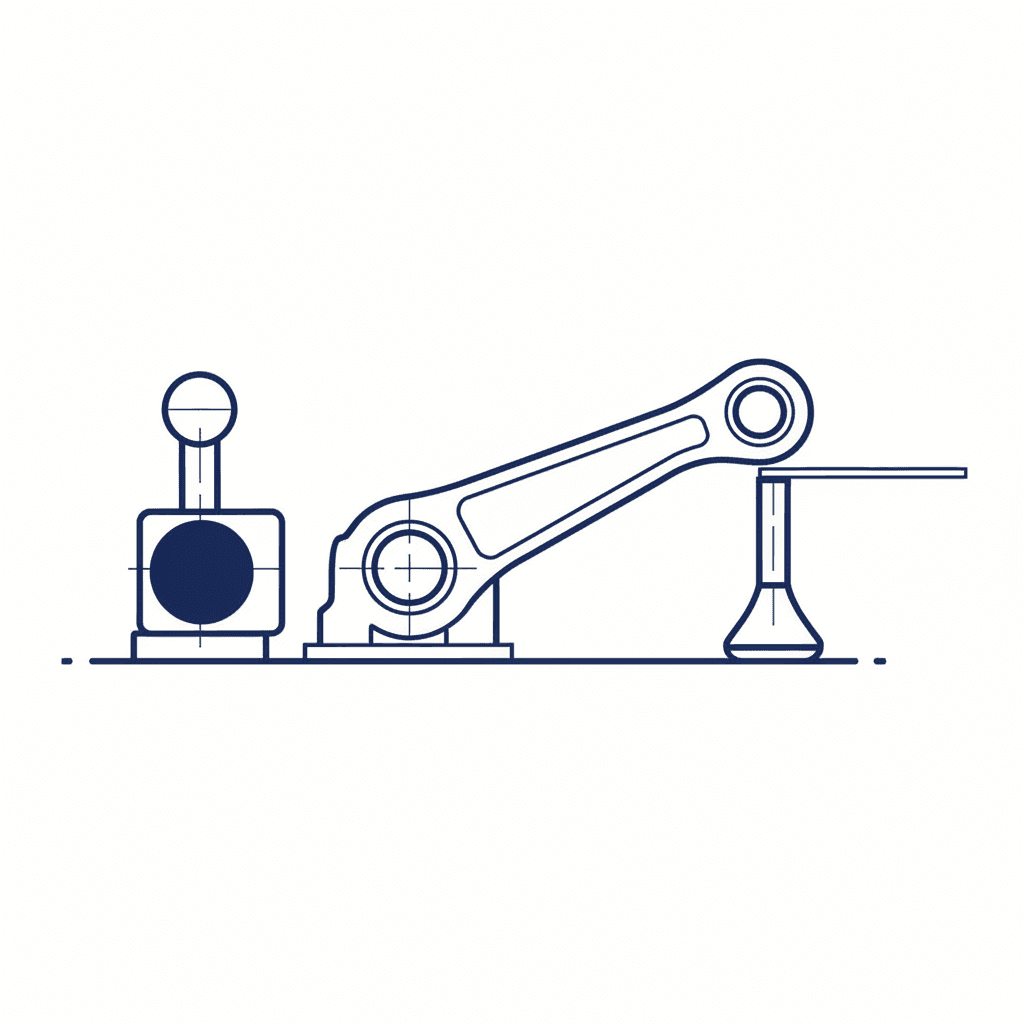
Valve lash is the gap between the tip of the rocker arm and the top of the valve stem when the lifter is resting on the base circle of the cam lobe. It is only needed on engines with mechanical lifters - hydraulic lifters adjust themselves automatically. But on a mechanical cam, correct valve lash is the difference between full performance and engine damage.
Why valve lash is needed
All materials expand with heat. A valve in a hard-running engine gets noticeably longer than when it is cold - the valve stem stretches down through the guide, and without lash the valve would be held open permanently. The lash provides the margin that ensures the valve actually closes fully against its seat when the cam lobe is on the base circle.
COMP Cams explains that the lash also determines where on the cam lobe's ramp the valve movement actually begins. If the lash is set tighter, the valve starts opening earlier and closing later - in effect, this increases the duration and shifts the timing events.
Hot vs cold lash
Cam manufacturers always specify a "hot" lash value - this applies at normal operating temperature. Some also give a cold reference value for a rough initial setting before the engine is started.
The difference between hot and cold lash depends on the engine's materials and design. Aluminium blocks and aluminium heads expand more than cast iron, so the cold lash can differ markedly from the hot value. Always check the manufacturer's specification - never guess.
The EO-IC method: exhaust opening, intake closing
The safest method for setting the valve lash cylinder by cylinder is called EO-IC (Exhaust Opening, Intake Closing). Summit Racing and JEGS describe it like this:
- Rotate the engine until the exhaust valve just starts to open on the cylinder you want to adjust - the intake lobe's base circle is now facing the lifter. Adjust the intake lash on the same cylinder.
- Keep rotating until the intake valve just fully closes (reaches the base circle again) - the exhaust lobe's base circle is now facing the lifter. Adjust the exhaust lash on the same cylinder.
The advantage is that you never risk adjusting against the ramp or the nose - you are guaranteed to be on the base circle every time. The method works on all engine configurations.
Practical approach
- Warm the engine to normal operating temperature (if you are setting hot lash)
- Switch off the engine and remove the valve covers
- Use a feeler gauge that matches the manufacturer's specification
- Loosen the locknut on the adjuster screw, then slide the feeler gauge between the rocker arm and the valve stem
- Turn the adjuster screw until the feeler gauge slides with a light resistance - not loose, not pinched
- Tighten the locknut without turning the adjuster screw - check with the feeler gauge again afterwards
A common mistake is not checking the lash again after tightening the locknut. The nut can twist the screw slightly, and then the value is no longer correct.
What happens if the lash is too tight?
If the lash is too small, or eliminated entirely, the valve is held partly open on the base circle. The consequences are serious:
- Burnt valves - the exhaust valve is cooled through contact with its seat. If it never closes fully, it cannot shed heat and it scorches. This is the most common cause of burnt exhaust valves in mechanical-lifter engines.
- Loss of compression - a valve that does not close fully leaks combustion gases, which lowers compression and costs power.
- Overlap increases uncontrolled - tighter lash effectively gives longer duration and more overlap, which can ruin idle quality and midrange performance.
What happens if there is too much lash?
Kelford Cams quantifies the problem: 0.1 mm of excess lash at 8,000 rpm produces a valve seating velocity of over 1,000 mm/s - the valve slams into the seat with enormous force. The consequences:
- Higher seating velocity - hammers out the valve seats, damages valve stems and can cause spring breakage
- Lost duration - more lash eats into the effective duration. The valve opens later and closes earlier - the power curve shifts down the rev range.
- Noise - the well-known "clatter" from an engine with too much lash. It is not just annoying - it signals mechanical impacts that wear out the valve train.
How often should you check?
With modern components - hardened valves, screw-in rocker studs, chrome moly pushrods - the lash does not drift on its own. But it should still be checked:
- After the first run with a new cam (after break-in and cooldown)
- At the start of every season if the engine is track-driven
- Immediately if the engine starts sounding different - a change in lash can be an early sign of cam wear or a valve that is stretching
Summary
Valve lash is not some old-fashioned maintenance task - it is a precision setting that directly affects the engine's duration, timing and lifespan. The correct lash, checked with the right method at the right temperature, costs nothing but a little time. The wrong lash costs valves, camshafts and power.
Contact Meksta - we always specify the correct valve lash for our camshafts.
About the author
Robert Wiklund has worked with engines for over 30 years, including for Mazda Rally Team Europe, Toyota Team Europe and GM's rally programme. He founded Meksta in 2023.
Read more about Meksta →Does your engine need reconditioning or tuning?
Contact us for expert advice, whether it is a crankshaft, a turbo upgrade or cylinder boring.