
Environment and sustainability in the car industry
Engine reconditioning is a sustainable alternative to replacing an engine. Read how reconditioning reduces resource use and waste.
The problem with a throwaway mindset
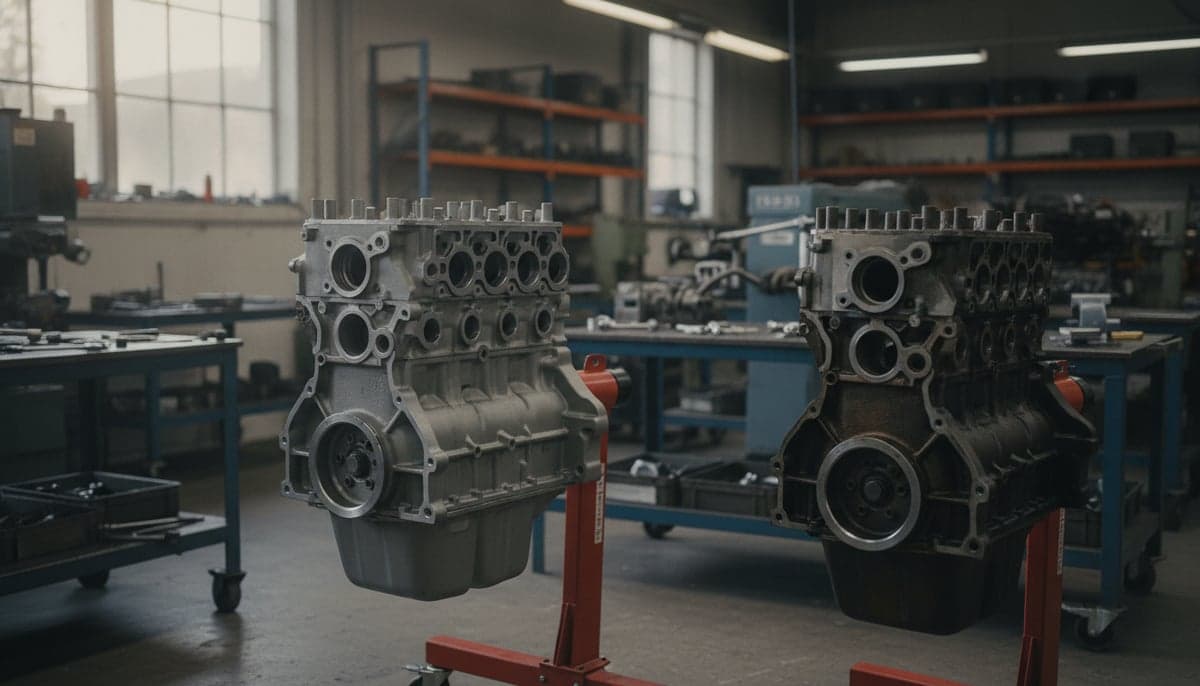
Hundreds of thousands of vehicles are scrapped every year. Many of them have engines that, with a reconditioning, could have delivered many more miles. Instead they are melted down, and the owner buys another vehicle, often with an engine that is just as worn.
Manufacturing a new engine requires large amounts of steel, aluminium, copper and other raw materials. Mining, smelting, casting, machining and transport. The whole chain generates CO2 emissions and consumes energy. A reconditioning reuses the existing engine block, the crankshaft and often the cylinder head, saving a large part of that environmental impact.
Reconditioning reduces resource use
In a complete engine reconditioning the engine's main components are reused: the engine block, the crankshaft and the cylinder head. These parts make up the bulk of the engine's material weight. What gets replaced are wear parts such as pistons, piston rings, bearings, gaskets and seals.
Read more about engine reconditioning →
That means an engine block of 80-150 kg of aluminium or cast iron does not have to be made from scratch. The need for new raw material, manufacturing energy and transport logistics is significantly reduced.
Longer service life - less waste
A properly reconditioned engine can last as long as a factory-new one. With new bearings, pistons, rings and gaskets, plus machined cylinders and crankshaft surfaces, the engine regains its original specifications.
That means the vehicle can be used for many more years instead of being scrapped. Every year an existing vehicle keeps rolling is a year a new vehicle does not have to be built. The environmental impact already invested in making the vehicle is spread across more years of use.
Classic vehicles and the circular economy
Reconditioning is the cornerstone of the classic vehicle world. Classic cars that are reconditioned and maintained can keep running for generations. Meksta reconditions engines for classic vehicle owners regularly, and that is the circular economy in practice.
But the principle does not only apply to classic vehicles. An everyday car with a tired engine can also be given a new lease of life through reconditioning. It is often cheaper than buying a new car, and the environmental footprint is considerably smaller.
What can you do as a vehicle owner?
Choosing reconditioning over replacing an engine or vehicle is an active choice for reduced resource use. Here are a few more things to keep in mind:
Regular servicing
Oil changes, filter changes and checking the cooling system extend the engine's service life considerably.
Address problems early
A small oil leak or unusual smoke can be a sign of wear. Acting early often saves the engine.
Choose reconditioning
When the engine finally needs attention, consider reconditioning instead of scrapping and replacing it.
Reuse parts
Used and reconditioned parts significantly reduce the need for energy-intensive new production.
Meksta and sustainability
Engine reconditioning is Meksta's core business. We recondition, repair and restore engines instead of throwing them away.
We see reconditioning as the obvious first choice. The customer saves money, the vehicle gets a new lease of life and the environmental impact is reduced.
Wondering whether your engine can be reconditioned?
About the author
Robert Wiklund has worked with engines for over 30 years, including for Mazda Rally Team Europe, Toyota Team Europe and GM's rally programme. He founded Meksta in 2023.
Read more about Meksta →Does your engine need reconditioning or tuning?
Contact us for expert advice, whether it is a crankshaft, a turbo upgrade or cylinder boring.